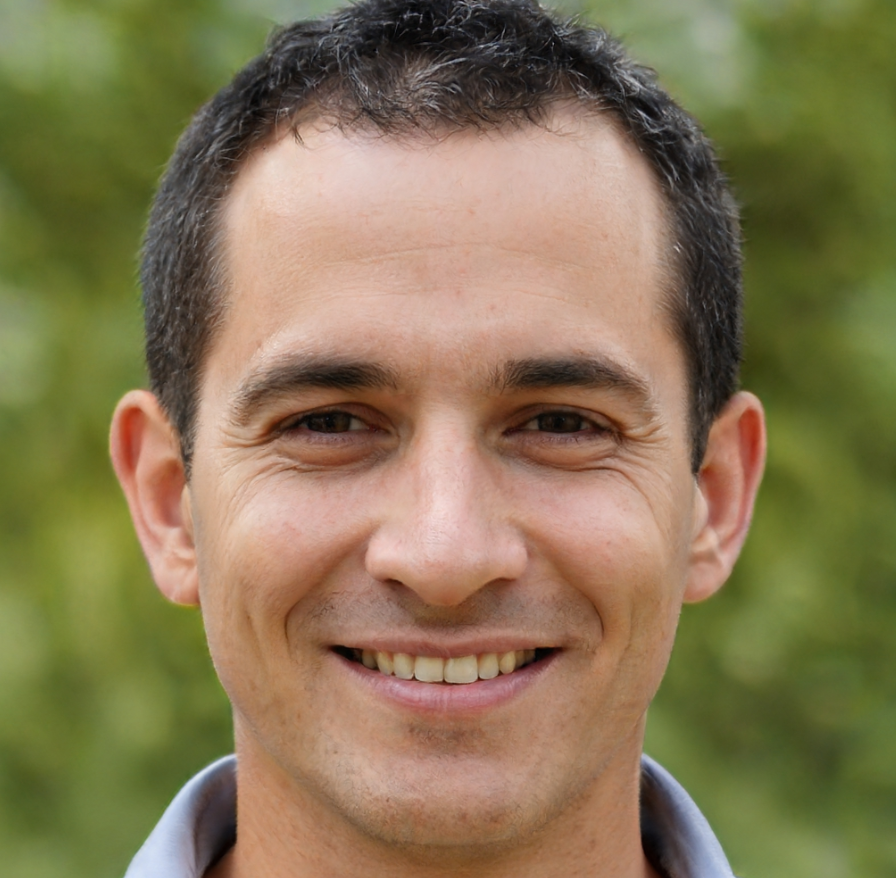
When a conductor loses his voice, the music stops. But when Dr. Jason Noble lost his cognitive clarity to a rare endocrine disorder, he found a new purpose: teaching future doctors what it truly means to be a patient. On Monday, Nov. 30, the acclaimed conductor and Lehman College music professor will return to Columbia University—this time not to lead an ensemble, but to lead a classroom of roughly 150 second-year medical and dental students through his own harrowing health journey.
Noble shares his experience with metastatic thyroid cancer and a rare endocrine disorder with Columbia medical and dental students on Nov. 30
The session, titled “The Patient as Professor,” is part of the endocrinology curriculum co-directed by Dr. Mishaela R. Rubin, an endocrinologist and professor of medicine at Columbia University Vagelos College of Physicians and Surgeons. It was Rubin who invited Noble to speak after treating him in a clinical trial for the very condition he now discusses so openly.
Also worth a look: Connie Young launches Jesse Colin Young website with Ridgetop Archives on his 85th birthday and Amanda Abizaid turns a war-zone dream into a plea for inner peace with ‘Love is the Vessel.
I credit Dr. Rubin with giving me my life back, I wouldn’t be able to do anything I’m doing now without her.”— Dr. Jason Noble
Noble’s medical ordeal began after treatment for metastatic thyroid cancer, when his parathyroid glands were damaged during surgery. The result was hypoparathyroidism—a rare disorder that triggered severe brain fog, muscle weakness, and persistent fatigue. These cognitive and physical symptoms threatened not only his daily life but his career as a conductor and educator.
“I credit Dr. Rubin with giving me my life back,” Noble said. “I wouldn’t be able to do anything I’m doing now without her.”
Rubin, who co-directs the medical school’s endocrinology curriculum, invited Noble to speak at “The Patient as Professor,” a session that gives students an opportunity to hear directly from a patient about living with an endocrine disorder and navigating the healthcare system.
“Students find this to be the most meaningful session in our curriculum,” Rubin said. “I’ll begin by explaining how rare hypoparathyroidism is and the challenges patients face in getting diagnosed and treated. Jason will then share his personal journey and answer questions from the students.”
“I’m very open about my diagnosis,” Noble said. “Future doctors and dentists need to hear what this disease does to a person’s mind and body, and how much a caring physician and new developments in medicine can change someone’s life for the better.”
Noble has also spoken publicly about his experience with essential tremor, including a brain procedure he underwent in December 2024 to treat the condition. His upcoming talk at Columbia continues his efforts to encourage more open conversations about disabilities and the value of the experiences of patients.
For more information or to arrange an interview, contact Amy Parrish at Aparrish@tempo-comms.com or (404) 310-6559 or Skylar Peterson Speterson@tempo-comms.com, (774) 571-1357.
###
About Dr. Jason Noble
An internationally acclaimed conductor and educator, Noble serves as Associate Professor of Music at Lehman College (CUNY) while holding concurrent part-time appointments at Columbia University and Manhattan School of Music. At Columbia, he conducts the Columbia University Wind Ensemble. His podium appearances include more than twenty featured concerts at Carnegie Hall and performances on six continents, including concert halls in Vienna, Sydney, Helsinki, Budapest, Dublin and Beijing. To learn more about Jason Noble please visit jasonnoble.com.
Skylar Peterson
Tempo Communications
+1 774-571-1357
speterson@tempo-comms.com
Visit us on social media:
Instagram
LinkedIn
Facebook
YouTube
Why it matters: Noble’s testimony bridges a critical gap in medical education—the gap between clinical knowledge and lived patient experience. By putting a human face on a rare and often invisible disorder, he is helping shape a generation of doctors and dentists who may better recognize, diagnose, and empathize with patients facing similar challenges.