Meditative Animal has never been a project content to let the music speak entirely for itself, and the latest release pushes that instinct further than ever. This new multimedia project fuses a carefully constructed sonic landscape with accompanying visual art, blurring the line between album and installation in a way that feels less like a marketing gimmick and more like a genuine reconsideration of what a music release can be.
The concept driving the project is straightforward in premise but ambitious in execution: rather than treating visuals as promotional accessories to the music, tracks and imagery are designed in tandem, each informing the other. That approach shows up immediately in how the project is sequenced. Sonic motifs recur alongside visual ones, creating a sense that listening and viewing are meant to happen together rather than as separable experiences. It’s a structural choice that demands more from the audience than a typical album, but it also rewards that attention significantly.
Sonically, Meditative Animal leans into atmospheric, texture-forward production, long ambient passages, layered field recordings, and slow-building arrangements that favor mood over hooks. This is not an album built for shuffle-play or algorithmic playlists. It asks for sustained attention, which is precisely why the accompanying visual component works as well as it does. The imagery gives listeners something to anchor that attention to, turning what might otherwise feel like a meandering ambient record into a guided, immersive experience.
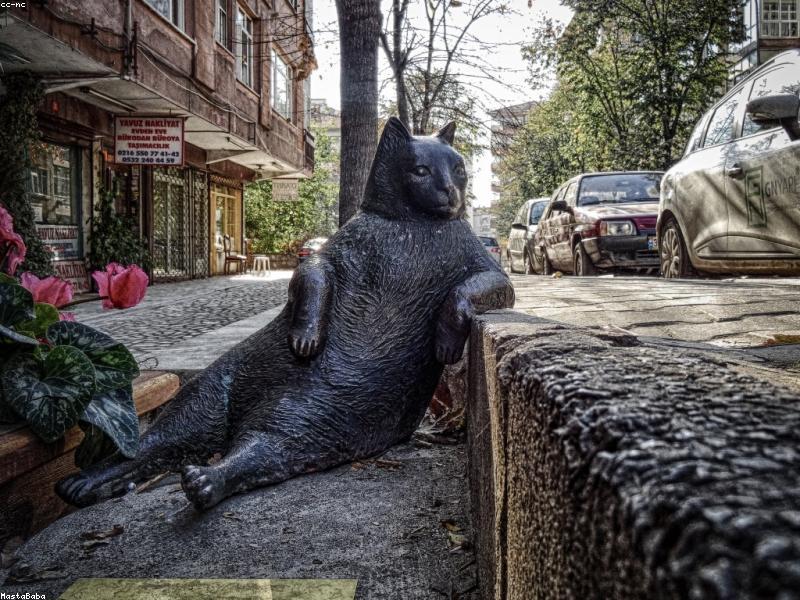
The visual elements themselves draw on abstract and naturalistic imagery, reinforcing the “animal” half of the project’s name without ever becoming literal or illustrative in a way that would undercut the music’s more abstract qualities. Rather than depicting specific scenes tied to lyrical content, the visuals seem designed to evoke the same emotional register as the sound, muted, patient, and organic. That parallel construction is what elevates this from a standard “album with a music video” release into something closer to a genuine multimedia artwork.
Standout moments arrive when the two mediums sync most tightly, sections where a shift in visual tone lines up precisely with a sonic transition, creating a sense of inevitability rather than coincidence. These moments suggest meticulous planning rather than a visual layer added after the music was finished, and that level of intentionality is what separates ambitious multimedia projects from merely decorative ones.
The broader implications here extend beyond this single release. As streaming continues to flatten albums into interchangeable playlist fodder, projects like this one push back by insisting on a specific mode of consumption, one that can’t be easily chopped into singles or background-listening fragments. Whether that approach can scale commercially remains an open question; multimedia projects inherently ask more of audiences’ time and attention than a standard release, and not every listener will meet that demand. But as a statement of artistic intent, it’s a compelling one.
What Meditative Animal ultimately offers is a glimpse at where album-length music could go if more artists treated visual and sonic elements as genuinely inseparable rather than sequential add-ons. It won’t replace the traditional album for most listeners, and it isn’t trying to. But for audiences willing to sit with it fully, this project makes a persuasive case that music and visual art, when built together from the ground up, can create an experience richer than either medium could produce alone.