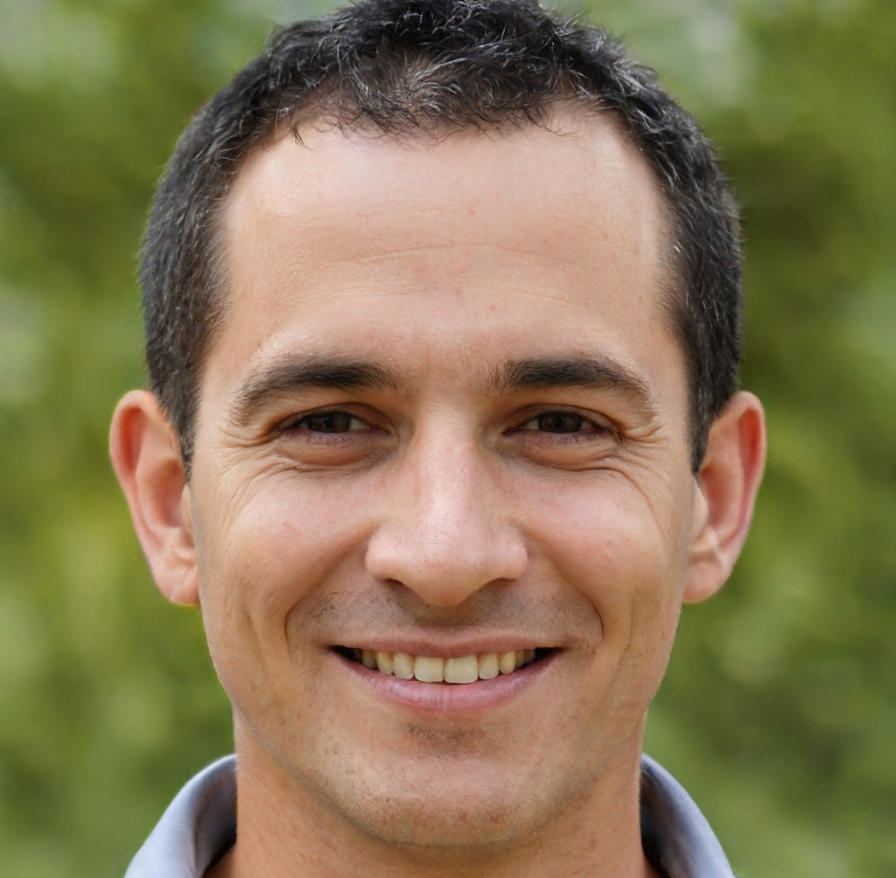
Four artists, four genres, one shared reality: the industry still hasn’t fully figured out what to do with women who refuse to stay in their assigned lane. We sat down separately with rock guitarist Josie Renwick, pop artist Sable Andrade, electronic producer Iris Kwan, and country singer-songwriter Dana Holt to talk about the barriers they’ve faced, the creative instincts that keep them going, and what’s actually changing in 2026.
Josie Renwick, rock
Renwick fronts the three-piece Ash & Iron and has spent much of the last year fielding a question she’s grown tired of: what it’s like being “a woman who plays guitar like that.” “Nobody asks the men in bands what it’s like to be a man who plays guitar,” she said. “The assumption baked into the question is that this is unusual for me, when it’s just what I do.” She points to a shift in how rock rooms treat her live, though: “Five years ago I’d walk into a sound check and get handed a mic stand like I was the singer’s assistant. That happens a lot less now. Not never. Less.” Her songwriting process, she says, starts almost always with rhythm before melody, a habit she credits to drumming before she ever picked up a guitar.
Sable Andrade, pop
Andrade’s rise has been built on writing and producing nearly everything herself, a fact she says surprises people more than it should. “There’s still this idea that a pop woman is a voice on top of somebody else’s track. I built the track.” She’s candid about the industry pressure to soften her sound for radio: “I’ve had rooms full of people tell me a song is ‘almost there’ and what they mean is it’s not compliant enough. I’ve learned to hear that sentence and know exactly what’s being asked of me, and mostly I say no now.” Her creative process leans heavily on voice memos recorded on her phone, sometimes dozens in a single day, that she later mines for the fragment that becomes a chorus.
Iris Kwan, electronic
Kwan produces under her own name after years of ghost-producing tracks credited to male DJs, a common and rarely discussed practice in electronic music. “I’d make the record, somebody else’s name would go on it, and I’d get paid a flat fee and nothing else. It took me a long time to value my own name enough to insist on it.” Now performing and releasing under her own identity, she describes her process as intensely physical: “I build sets standing up, moving, because the music has to work in a body before it works in headphones.” She’s outspoken about DJ booth culture, which she says remains one of the more resistant corners of the industry to gender parity in festival lineups.
Dana Holt, country
Holt has spent the past two years pushing back against Nashville radio’s notoriously narrow airplay for women, a well-documented gap that persists despite repeated industry promises to address it. “You get told there’s ‘already a woman’ in the rotation, like we’re a single slot instead of half the genre’s audience.” Her songwriting, drawn heavily from her upbringing in rural Georgia, leans into specificity she says male co-writers sometimes try to sand down into something more generic. “The detail is the song. I don’t co-write it away.” She’s found more traction independently through streaming and touring than through traditional radio, a pattern she believes is reshaping how country artists build careers going forward.
Different genres, different obstacles, but a common thread ran through all four conversations: each artist described having to fight, at some point, for ownership over work that was unambiguously theirs. What’s changing, however unevenly, is that fewer of them are willing to keep quiet about it.