On a recent November evening in Manhattan, the lights went down at Village East by Angelika—and when they came back up, the audience had traveled through decades of defiant, beautiful youth culture. This was not just a film screening; it was a reckoning with history, framed by the very institution built to protect it.
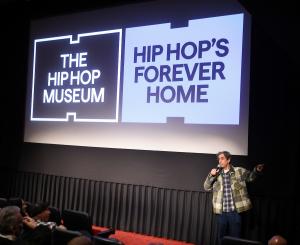
Glen E. Friedman, the photographer whose lens captured Hip Hop’s pioneers when the mainstream still dismissed them as a passing fad, addressed a standing-room-only crowd at a private New York screening of his documentary The Fuck You Heroes. The event, hosted by The Hip Hop Museum on November 10, welcomed over 100 invited guests just days after the film’s world premiere at the IN-EDIT film festival in Barcelona.
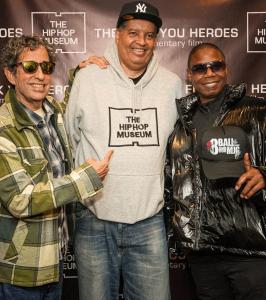
An intimate evening honored the photographer who idealized and framed Hip Hop’s pioneers before the world was ready to see them.
Also worth a look: Maddye Trew flips Carrie Underwood’s classic on its head with new ‘Bathroom Polo’ video and Zhana+ TV bets on puppets, pirates and a chipmunk with 4 new family pilots.
Rocky Bucano, Founder and CEO of The Hip Hop Museum, delivered a powerful tribute: “Glen saw Hip Hop as serious art long before the world caught up and gave our pioneers the dignity of being seen, realistically and beautifully. Preservation is the antidote to erasure, and he knew it.”
The documentary, twelve years in the making, returns to the icons Friedman photographed—among them Chuck D, Run-DMC, KRS-ONE, Beastie Boys, Q-Tip, LL Cool J, and Ice-T. But the film does not stop at Hip Hop. It also features skateboarding Hall of Famers and iconic punk pioneers, all of whom shared the rebel spirit at the heart of these enduring cultures. Friedman, after all, never saw skateboarding, punk, and Hip Hop as separate worlds. “They were my young peers with attitude and something to say, and nobody was giving them permission,” he said.
Friedman began photographing Hip Hop when the mainstream dismissed it as a fleeting trend. Today, his images form part of the culture’s historical record—and preserving that record is exactly the work The Hip Hop Museum was built to do. “Glen saw Hip Hop as serious art long before the world caught up, and he gave our pioneers the dignity of being seen, realistically and beautifully,” Bucano added. “Bringing this film to our community is how we honor the people who protected our history before there was a museum to hold it.”
For Friedman, sharing the film in New York carried deep personal resonance. “Sharing this film with The Hip Hop Museum, in the city where so much of this culture was born, where so many of the iconic images were created, from the Bowery to Hollis Avenue, means a lot,” he said. “These people were my heroes and the heroes of culture because they refused to fit in existing molds and communicated against the grain and establishment of all that came before them.”
Hip Hop has always known how to make something from nothing. A borrowed turntable. A spray can. A camera in the hands of a kid who felt responsible to expose the culture as he idealized it. On November 10, the culture saw its own reflection and recognized exactly what it has always been: bold, beautiful, and worth preserving—with integrity intact.
Why it matters: This screening signals that The Hip Hop Museum, still preparing its 55,000-square-foot home in the Bronx, is already doing the vital work of connecting generations to the culture’s visual and oral history. By centering Friedman’s work, the museum reminds us that preservation is not passive—it is an active, defiant choice, especially when the people who made the culture were once told it wouldn’t last.
About The Hip Hop Museum: The Hip Hop Museum, located in the Bronx, the birthplace of Hip Hop, will include a dynamic blend of traditional exhibits and immersive experiences, including rare artifacts, memorabilia, visual arts, interactive stations, digital installations, live performances and community engagement. These elements will allow visitors of all ages to engage deeply with Hip Hop’s history and its ongoing influence on modern life. The expansive 55,000 square foot environment will reflect Hip Hop’s kinetic energy, ensuring the experience feels as vibrant, dynamic and communal as the culture itself. The opening of The Hip Hop Museum marks a historic occasion in the celebration and preservation of Hip Hop culture.
Bryna Jean-Marie
The Hip Hop Museum
bryna@thhm.org