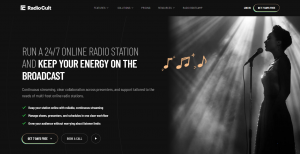
The RadioCult landing page, where broadcasters can launch a round-the-clock online radio station featuring scheduling, live and automated broadcasting, and unlimited simultaneous listeners.
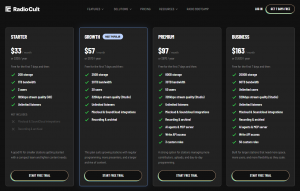
RadioCult's four service tiers, ranging from Starter at $33 per month up to Business at $163 per month, all including unlimited simultaneous listeners and a 7-day free trial period.
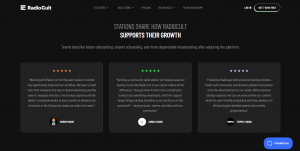
Coordinating volunteers, keeping the signal alive without an engineer, producing reports that appeal to funders, and having space to expand: what community stations need to consider when selecting a platform.
Community radio is driven by people long before it is driven by technology. The right platform is one that a changing group of volunteers can manage, that keeps broadcasting even when the studio is empty.”— A RadioCult spokespersonNEW YORK, NY, UNITED STATES, September 17, 2026 /EINPresswire.com/ — Community and independent radio stations operate on a different model than commercial ones: they rely on volunteers, work with limited budgets, and share a common purpose. RadioCult, an online radio hosting platform designed for stations with multiple hosts, has outlined the key features a community station should seek in a platform, helping volunteer-driven operations choose tools that match their real-world needs rather than those of a commercial broadcaster.
At the heart of community radio are its people. RadioCult's guide points out that the typical UK community station depends on approximately 87 volunteers, while stations in the US rely on around 125. A platform built for this reality must offer individual logins and permissions for each presenter, allowing volunteers to handle their own shows and upload their own material without altering station-wide configurations, plus a shared calendar that the entire team can access and coordinate around.
The next consideration is whether the station can remain on air without a full-time engineer. Most community stations lack one. Hosted broadcasting that operates continuously without the station managing its own server, with AutoDJ filling any gaps so the stream never goes quiet, is what keeps a volunteer-run station active between scheduled programs.
"Community radio is a people project before it is a technology project," said a RadioCult spokesperson. "The platform that works best is one that a rotating team of volunteers can actually handle, that stays live when no one is in the studio, and that fits within a grant-supported budget."
Cost is the third factor. RadioCult's guide notes that more than 60 percent of US community stations function on under $100,000 annually, with income derived from listener contributions, presenter fees, sponsorships, and grants. Two elements matter here: a price point a station can maintain from year to year, and analytics that can be exported to demonstrate real, verifiable audience numbers to sponsors and grant organizations.
The fourth is capacity for growth. A platform should not penalize a station for gaining traction. Unlimited concurrent listeners means a station can promote a show or take advantage of a sudden spike in attention without being restricted by its plan level, and making a stream available where audiences already tune in helps smaller stations expand their reach.
These priorities point toward solutions designed for multi-host, mission-focused stations rather than individual hobbyists. RadioCult's guide to launching an online community radio station and its tools for independent and community broadcasters are available on its site.
About RadioCult
RadioCult is an online radio hosting platform created for independent and community stations that broadcast 24/7 with multiple presenters. It brings together live and automated broadcasting, radio-specific scheduling, station and artist management, and unlimited concurrent listeners in a single platform, supported by human assistance and pricing that begins at $33 per month. Find out more at https://www.radiocult.fm.
Corey Haines
Conversion Factory
email us here
Visit us on social media:
Instagram
Facebook
X