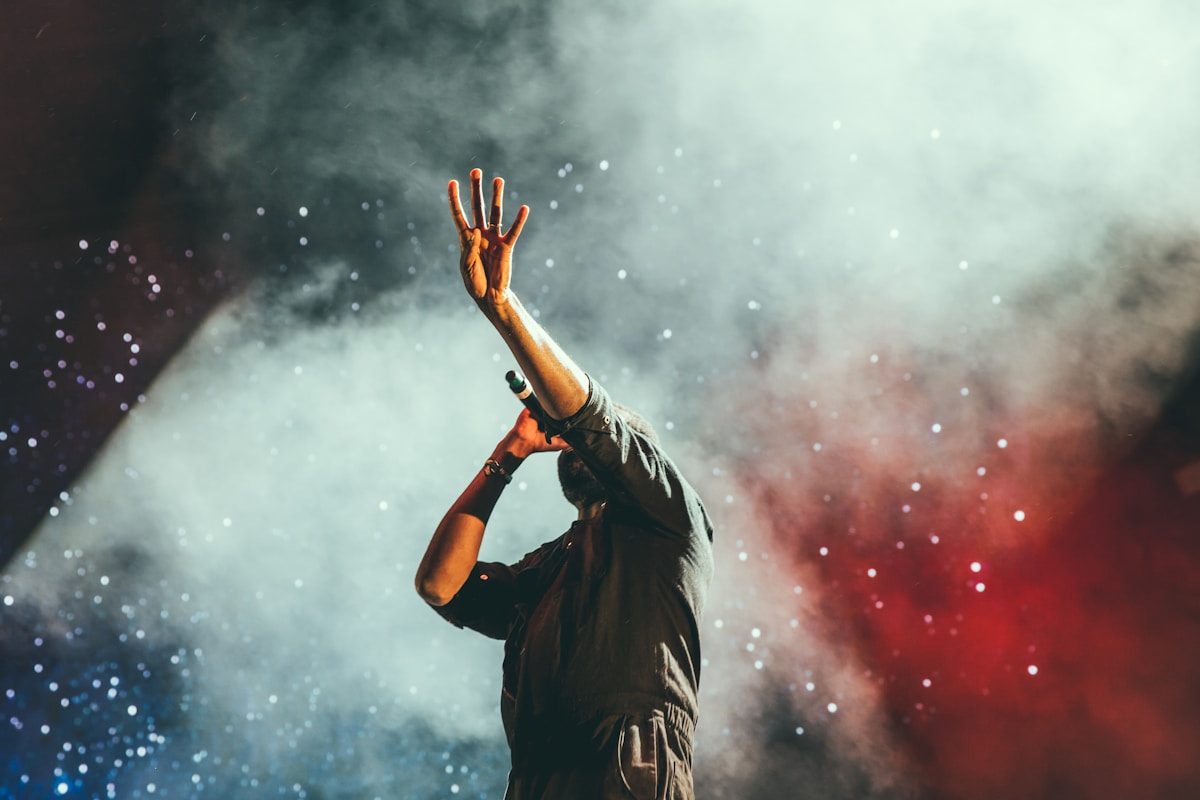
Primavera Sound’s decision to expand from its Barcelona home base into satellite editions in Los Angeles, Sao Paulo, and now Tokyo has transformed it from a beloved European indie festival into a genuinely global operation. The 2026 Barcelona edition, held across the sprawling Parc del Forum complex overlooking the Mediterranean, demonstrated both the ambitions and the growing pains of that transformation.
The Lineup That Set the Tone
This year’s edition was headlined by Radiohead, performing together for the first time in four years, alongside Kendrick Lamar and Bjork. The undercard was characteristically adventurous, mixing established alternative acts with emerging artists from every corner of the globe. A single afternoon could take you from the abrasive noise-rap of JPEGMAFIA to the delicate folk of Adrianne Lenker to the pulsating techno of DJ Stingray, and the transitions felt not only natural but necessary.
Radiohead Returns
The Friday night Radiohead set was the weekend’s emotional epicenter. Opening with “Everything In Its Right Place” as the sun set over the sea, the band delivered a career-spanning set that drew heavily from “Kid A” and “In Rainbows” while debuting two new songs that suggested a forthcoming album. Thom Yorke’s voice, if anything, has gained power and precision with age, and the band’s interplay — honed over three decades — was mesmerizing.
The new material was particularly exciting. A song tentatively titled “Glass Age” featured Jonny Greenwood’s ondes Martenot prominently and built to a crescendo that recalled the climax of “Climbing Up the Walls.” The crowd, tens of thousands strong, stood in rapt silence during the quieter passages — a remarkable feat at any outdoor festival.
Discovery on the Smaller Stages
Primavera has always excelled at programming its smaller stages, and this year was no exception. Chilean electronic artist Valesuchi delivered a set of dark, hypnotic techno that had a packed tent moving as a single organism. Malian guitarist Fatoumata Diawara brought her band’s explosive Afro-rock to the Adidas stage, converting skeptics with a performance of staggering intensity. And British singer-songwriter Michael Kiwanuka gave a late-afternoon set on the Pull and Bear stage that was so intimate and emotionally charged it felt like a private concert despite the thousand-strong audience.
Growing Pains
The festival was not without issues. Capacity has increased significantly in recent years, and the infrastructure has not always kept pace. Sound bleed between stages was more problematic than in previous editions, with the bass from the main stage audible during quieter performances nearby. Food and drink queues at peak times exceeded thirty minutes, and the single entrance to the venue created bottlenecks that tested even the most patient attendees.
The Bigger Picture
Despite these logistical challenges, Primavera Sound 2026 reaffirmed the festival’s status as the most thoughtfully curated large-scale music event in the world. In an era when many festivals default to algorithm-friendly lineups designed to maximize ticket sales, Primavera continues to bet on artistic quality and diversity, trusting that an audience exists for a lineup that treats Bjork and Bad Bunny, JPEGMAFIA and Joan Baez as equally valid draws. That trust continues to be rewarded.