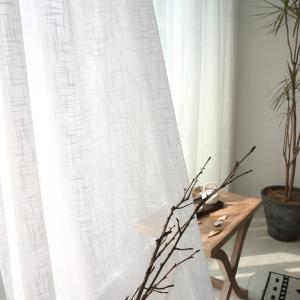
Curtains are no longer just decorative afterthoughts in a room—they are now engineered components that manage light, privacy, and even acoustics. As this shift reshapes interior design, Suzhou Chengyuda Textile Co., Ltd. is positioning itself as a one-stop source for these complex textile solutions. The company’s expanded portfolio covers everything from sheer and blackout fabrics to the hardware that makes them function, aiming to serve a wide spectrum of buyers across the globe.
With a growing demand for window treatments that are both functional and aesthetically pleasing, Suzhou Chengyuda Textile Co., Ltd. is increasing its footprint in the international curtain and home textile market. Its catalog includes curtain fabrics, finished curtains, and necessary accessories, targeting clients involved in residential projects, hotels, offices, theaters, schools, hospitals, and public buildings. Central to its offering are Curtain Fabric and Curtain Track, which together form the core of a cohesive window treatment system. By pairing fabric choices with practical installation hardware, the company is catering to customers who weigh factors like style, light management, privacy, and operational simplicity.
Curtains Play an Increasingly Multifunctional Role in Interior Design
Also worth a look: Track Review: Doechii “Denial Is a River” Is a Lyrical Tour de Force and Track Review: Rosalia “Abismo” Merges Flamenco and Industrial Electronics.
Historically, curtains were simple fixtures for covering windows and offering seclusion, but their function in contemporary architecture has evolved significantly. Today, they are instrumental in controlling sunlight, minimizing glare, fostering a more pleasant indoor climate, and enhancing a room’s architectural style. Depending on the material and how it is made, curtains can also aid in thermal regulation, dampen sound, and divide spaces.
For private homes, buyers often focus on aspects like color, fabric feel, upkeep simplicity, and how well the curtains match existing furniture and flooring. Bedrooms usually demand effective light blocking, whereas living areas benefit from a mix of light diffusion and privacy. In hotel and hospitality settings, curtains need to maintain a consistent look while enduring heavy use, frequent cleaning, and strict durability standards.
Commercial environments bring their own set of challenges. Office spaces often require curtains that minimize screen glare, while theaters and event halls might need specialized fabrics that suit stage lighting. In healthcare facilities, privacy curtains between beds are essential. Every scenario requires a thoughtful evaluation of the fabric choice, the mounting system, and the specific conditions of the space.
Suzhou Chengyuda Textile Co., Ltd. is dedicated to providing curtain and home textile goods for a wide array of uses. Its product line features sheer, dimout, blackout, velvet, chenille, medical, and stage curtains. This variety highlights the complex demands placed on manufacturers and suppliers who cater to residential, hospitality, institutional, and entertainment sectors.
Curtain Fabric: Balancing Aesthetics with Function
Curtain Fabric serves as the essential starting point for any window treatment. The type of fiber, its weave, weight, texture, color, and any finishing processes all play a part in the final look and utility of the curtain. Choosing the right material is a vital decision for designers, contractors, distributors, and retailers alike.
Sheer fabrics are often the go-to choice when the goal is to filter daylight while keeping a sense of openness. They provide a light and airy feel in spaces like living rooms, lobbies, and hospitality areas. These can also be layered with heavier drapes for instances when more privacy is needed.
Dimout fabrics are crafted to cut down on light infiltration, though their effectiveness can vary based on the specific weave and specs. They are a practical option for bedrooms, hotel rooms, conference areas, and other settings where softer light is preferred without full darkness.
Blackout fabrics are designed for situations where significant light blockage is necessary. They are commonly selected for bedrooms, hotels, home theaters, and certain commercial areas. It is crucial for buyers to verify the rated light-blocking capability of a specific product and to consider how the material, stitching, side gaps, and installation approach will affect the final outcome.
Velvet and chenille fabrics bring distinctive textures that add depth to an interior. Velvet is often linked with formal or theatrical settings, while chenille is prized for its soft feel. The right choice depends on the desired look, fabric weight, durability, care needs, and where it will be installed.
Suzhou Chengyuda Textile Co., Ltd. provides various curtain fabric types to meet these diverse needs. For project buyers, having this range in one place simplifies comparing materials for a specific design vision. Instead of picking fabric solely on looks, purchasers should think about the required light control, weight, color consistency, cleaning method, and expected usage frequency.
Finishing treatments can also alter how a fabric performs. Depending on the item and its use, finishes might be applied to meet certain specifications like flame resistance. If a project demands certified performance, buyers should verify the relevant test reports, the scope of certification, and the applicable standards for the exact fabric they plan to buy.
The Critical Role of Curtain Track Systems
Even the finest curtain fabric needs a proper mounting system to work as intended. Curtain Track serves as the mechanism that supports and lets curtains glide across a window, doorway, or other opening. The track’s design impacts how smoothly the curtain moves, how flexible the installation is, the overall look, and whether it can handle the fabric’s weight.
A well-chosen track system allows curtains to open and close effortlessly while keeping a tidy look. Depending on the product and building layout, tracks can be mounted on ceilings or walls. Straight tracks are fine for most standard windows, while curved or flexible systems might be needed for bay windows or unconventional layouts, provided the track is designed for that use.
The track must be suited to the curtain’s size and weight. Light sheers require different hardware than heavy velvets or stage curtains. Before installation, factors like track length, bracket count, mounting surface, and how the curtain will be operated should all be reviewed. For large or frequently used curtains, paying extra attention to load capacity and the durability of moving parts is key.
Curtain tracks are just as important in commercial and institutional buildings, where reliability and simple upkeep are often as crucial as looks. In hotels, conference centers, hospitals, and theaters, curtains are often moved many times each day. A correctly selected track system supports regular use and helps prevent avoidable maintenance issues.
For those looking at Curtain Track products from Suzhou Chengyuda Textile Co., Ltd., the primary task is ensuring the chosen system fits the fabric and the environment. Product dimensions, mounting options, how it operates, and compatibility with the finished curtain should all be clarified before finalizing a project order.
Combining Fabric and Hardware for Better Results
The best curtain procurement happens when fabric and hardware are viewed as a single, integrated system. A heavy drape on a flimsy track will be difficult to operate, and a mounting system that doesn’t match the curtain’s measurements can ruin the final appearance.
Planning a curtain project starts with defining the purpose of each treatment. Designers and buyers should decide whether the main goal is light diffusion, privacy, blackout, decoration, stage use, or another specific need. These objectives will guide the fabric choice and the curtain’s construction.
Getting measurements right is just as critical. Buyers need to confirm the width of the window or opening, the available mounting space, the desired curtain length, and where the curtains will stack when open. The track or pole should be measured per the manufacturer’s instructions, with allowances for brackets, end stops, overlaps, and other fitting details.
The curtain heading style also matters. Options like rod pockets, grommets, back tabs, and pleats each create a different look and may require different mounting setups. The chosen heading must work with the intended track or pole and support the desired movement and fullness.
Suzhou Chengyuda Textile Co., Ltd. offers product details and customization options for buyers exploring different curtain styles and fabric needs. Its online catalog outlines options for color customization, ready-made goods, and made-to-order designs. For custom projects, buyers should confirm minimum order quantities, sample availability, production times, color specs, and the exact extent of customization directly with the supplier.
Supporting Hospitality and Commercial Projects
Hotels, theaters, offices, schools, and healthcare centers often need curtains in much larger volumes than private homes. In these settings, product uniformity, delivery coordination, durability, and maintenance planning heavily influence purchasing choices.
Hotels might use different curtain types across guest rooms, meeting spaces, restaurants, and lobbies. Blackout curtains are often favored for sleeping areas, while decorative or dimout fabrics may suit reception areas and lounges. Using consistent colors and coordinated hardware helps preserve a unified design across the property.
Theaters and event spaces have their own priorities. Stage curtains may need to be substantial in weight, drape a certain way, and have verified flame-retardant properties as required by the venue. The track or support system must also be chosen based on the curtain’s size, weight, and how often it is used. Buyers should ensure any stated fire-safety performance applies to the exact product and meets local regulations.
Medical environments often require curtains made for privacy and straightforward cleaning. Procurement teams should think about where the curtains will be used, how they will be cleaned, how often they will be replaced, and any necessary hygiene or performance specs. If special certifications or test reports are needed, these documents should be checked before accepting the products for installation.
By providing several curtain categories, Suzhou Chengyuda Textile Co., Ltd. gives buyers options for various project types. Successful delivery, however, hinges on a detailed specification process that covers fabric performance, dimensions, hardware compatibility, delivery schedules, installation needs, and after-sales support.
Manufacturing, Customization, and Quality Considerations
Curtain production involves many connected steps, such as yarn preparation, weaving or knitting, dyeing, finishing, cutting, sewing, and final checks. The exact process differs based on the fabric type and final product. Coordinating these stages helps ensure consistent color, size, texture, and build quality.
Suzhou Chengyuda Textile Co., Ltd. highlights its experience across the textile supply chain, from weaving to sewing, and notes its work with manufacturing partners for various production needs. The company also offers OEM and ODM services, which are useful for distributors, brands, design firms, and contractors looking for tailored products.
Customization might involve color, fabric construction, dimensions, heading styles, and other features. For large orders, it’s wise to approve samples before full production begins. A sample lets the buyer check the material’s look, feel, color, drape, and how it works with the planned installation system.
Quality control goes beyond just a visual check. Depending on the product, inspections may cover dimensions, seam strength, fabric flaws, color consistency, track operation, and any performance characteristics listed in the order. Having clear acceptance criteria helps prevent misunderstandings between supplier and buyer.
For commercial projects, it’s also important to plan how products will be packed, labeled, and shipped. Curtains and fabrics may need to be organized by room, floor, or installation phase. Clear documentation and organized packing help installation teams work faster and reduce errors on site.
Meeting International Buyer Expectations
Curtain and textile buyers are increasingly working across global supply chains, making communication and documentation key parts of supplier evaluation. Importers and contractors need accurate product specs, clear pricing, realistic lead times, and a dependable process for samples and production approvals.
Export projects may also need to comply with rules in the destination country or meet project-specific requirements. Claims about flame resistance, textile safety, or recycled content should be backed by paperwork that applies to the specific product. Buyers should check the relevant certificate or test report, its validity, and the standards it covers, rather than assuming one document covers the entire product line.
Suzhou Chengyuda Textile Co., Ltd. reports working with customers in several international markets, including North America, Europe, and Asia. For those considering a long-term partnership, a structured review of product capabilities, production setups, sample quality, communication, and after-sales service can help determine if the supplier is the right fit.
As interior design continues to emphasize both looks and performance, curtain products must meet a wide range of expectations. The fabric choice determines much of the visual appeal and light control, while the track system supports daily use. Treating these elements as a coordinated solution can help buyers achieve more consistent results in both residential and commercial projects.
About Suzhou Chengyuda Textile Co., Ltd.
Suzhou Chengyuda Textile Co., Ltd. is a textile company based in Suzhou, Jiangsu Province, China, specializing in curtain and home textile products for both domestic and international clients. Its product lineup includes sheer, dimout, blackout, velvet, chenille, medical, and stage curtains, along with Curtain Fabric and Curtain Track. The company notes its experience across textile production processes from weaving to sewing, and offers OEM and ODM services for clients with specific design and project needs. Its products are designed for use in homes, hotels, offices, theaters, schools, hospitals, and other public or commercial spaces. For more details, customization inquiries, or project quotes, buyers can visit the company’s website at www.cyd-curtain.com.
Address: Room 308, Block B, Kelaimei Building, No. 819 Shengtan Road, Shengze Town, Wujiang District, Suzhou City, Jiangsu Province
Official Website: https://www.cyd-curtain.com/
Yafeng Huang
Suzhou Chengyuda Textile Co., Ltd.
asher@cydtextile.com
—
**Why it matters:** This move underscores a broader industry trend where curtain suppliers are expected to provide complete, coordinated systems rather than just individual products. For architects, designers, and procurement professionals, this integrated approach simplifies project management and helps ensure that the final installation performs as well as it looks.