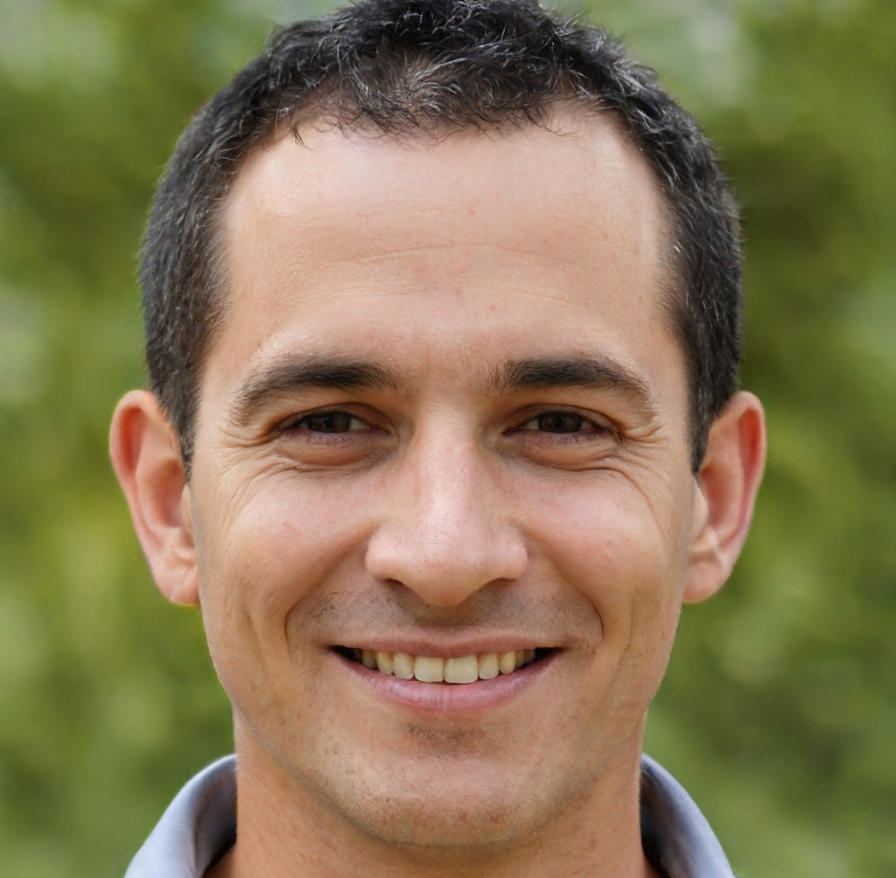
Brickaveli calls for unity.
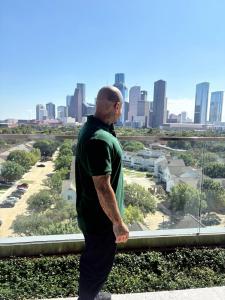
seeking togetherness for survival in Houston, Texas
Brickaveli pushes la raza to get ready, come together, and safeguard every life during catastrophes—including neighbors, the elderly, and those locked up.
The lion cannot protect himself from traps, and the fox cannot defend himself from wolves. One must therefore be a fox to recognize traps, and a lion to frighten wolves.”— Niccolò MachiavelliHOUSTON, TX, UNITED STATES, July 23, 2026 /EINPresswire.com/ — During a gathering focused on disaster readiness, officials outlined what la gente should anticipate when hurricanes, floods, freezes, and other weather events hit Houston. Brian Murray from the Harris County Office of Homeland Security and Emergency Management, along with Brooke Campbell of United Way of Greater Houston and the Greater Houston Disaster Alliance, covered supplies like water, canned food, medicine, flashlights, radios, emergency contacts, insurance details, and practiced family evacuation plans. They cautioned families not to delay until the power fails, streets are underwater, or store shelves are bare. Every home should be aware of evacuation routes, who to contact, and how to reunite. The presenters encouraged neighbors to look after each other, especially the elderly, children, individuals with disabilities, and households lacking transportation. Emergency crews may be overwhelmed, roads could be blocked, and assistance might not arrive in every neighborhood right away.
Brickaveli was present alongside Loke G, listening and raising questions from a viewpoint that is frequently left out of these discussions. He showed up as a first-generation Chicano speaking for the barrio, those behind bars, and the people who rarely get a voice. After serving 10 years in prison and enduring hurricanes, floods, and freezing temperatures while locked up, Brickaveli boiled everything down to a single point:
Unity is the key to surviving natural disasters. La gente cannot hold off until the water rises to get acquainted with their neighbors or until the power goes out to locate food, medicine, and clean water. The barrio must get ready before the storm arrives. That involves knowing who lives next door. Check on mothers, the elderly, people with disabilities, and families without transportation. Know who has tools, a generator, first-aid skills, or requires help evacuating. Government assistance, insurance, and emergency personnel are important. But when chaos strikes all at once, those systems may not reach every block immediately. Insurance cannot pull a family out of rising water. A car cannot drive through a flooded street.
A cellphone is worthless when batteries die or towers go down. Sometimes the first rescuer is the neighbor two houses away. Families should memorize the key numbers. Dial 911 when someone is in immediate danger, seriously hurt, trapped, drowning, or facing a life-threatening crisis. Dial 211 for shelter details, food, transportation, utility assistance, disaster aid, and nonprofit resources. Dial 311 for non-emergency city services, downed trees, debris, road damage, and other local issues. Write those numbers down. Every home should also own a battery-powered or hand-crank radio. When the internet and cell service go out, radio might be the only way to receive warnings, shelter locations, evacuation orders, and updates. A well-stocked emergency kit should contain drinking water, canned or dry food, a manual can opener, flashlights, batteries, a radio, first-aid supplies, prescription medication, phone chargers, power banks, blankets, hygiene items, extra clothing, masks, gloves, cash, and pet supplies. Keep identification cards, birth certificates, medical records, property documents, and insurance policies safe inside a waterproof bag or container.
La familia needs a strategy. Everyone should know where to go, who to call, and where to meet if they get separated. Parents should drill their children on the plan and figure out how to assist neighbors who cannot evacuate on their own. Cars should be filled with gas before a storm, but no one should assume a truck or SUV can handle floodwater. Water can conceal deep pits, powerful currents, and broken roads. A truck can be replaced. A life cannot. Insurance becomes crucial after the storm. Homeowners and renters should understand what their policy covers before a disaster hits. Take photos of homes, vehicles, tools, furniture, and valuable belongings. Afterward, document damage before cleaning up, keep receipts for hotels, food, repairs, and emergency supplies, and have policy numbers handy.
For Brickaveli, though, the meeting stirred up something more profound. When Brickaveli and Loke G asked what incarcerated individuals should do during a disaster, they felt the question was dismissed. It appeared that prisoners were not considered significant enough to include in the discussion. Brickaveli took that personally. He remembers what dangerous weather felt like while locked up. During Hurricane Harvey, major thunderstorms, and the Arctic freeze, prisoners could be confined to their cells and left on lockdown for days. They could not leave, check on their children, call their mothers freely, drive away from danger, or buy water, blankets, food, batteries, and medicine. Their survival depended entirely on whether the prison prepared and whether the people running it cared enough to protect them.
Being incarcerated does not mean a person stops being human. People behind bars still require clean water, food, medication, working toilets, safe temperatures, emergency communication, and a real evacuation plan. Their families deserve to know whether their loved ones are alive and safe. A sentence should not become a death sentence because someone failed to prepare. Storms do not care if someone is wealthy or poor. They do not care if a person lives in the suburbs, the barrio, an apartment, a trailer, or a prison cell. When the lights go out and the water rises, money and status may mean little. What counts is preparation, communication, and whether the people are willing to look out for each other.
Brickaveli’s message is straightforward: do not wait for someone else to save the neighborhood. Know your neighbors. Build a plan. Gather supplies. Check on the vulnerable. Share information. Protect the children. Remember the elders. Do not forget the prisoners. When disaster arrives, survival is not just about what one person has inside the house. It is about whether the whole community is ready to stand firm together. **Unity is not just a word. When the storm hits, la unión de la raza can keep people alive.
Pablo Olavarrieta
KBT
+1 832-368-1907
email us here
Visit us on social media:
Instagram
Facebook